
South Africa 2026 Budget: Key Reforms, Infrastructure Investment and BRICS Implications
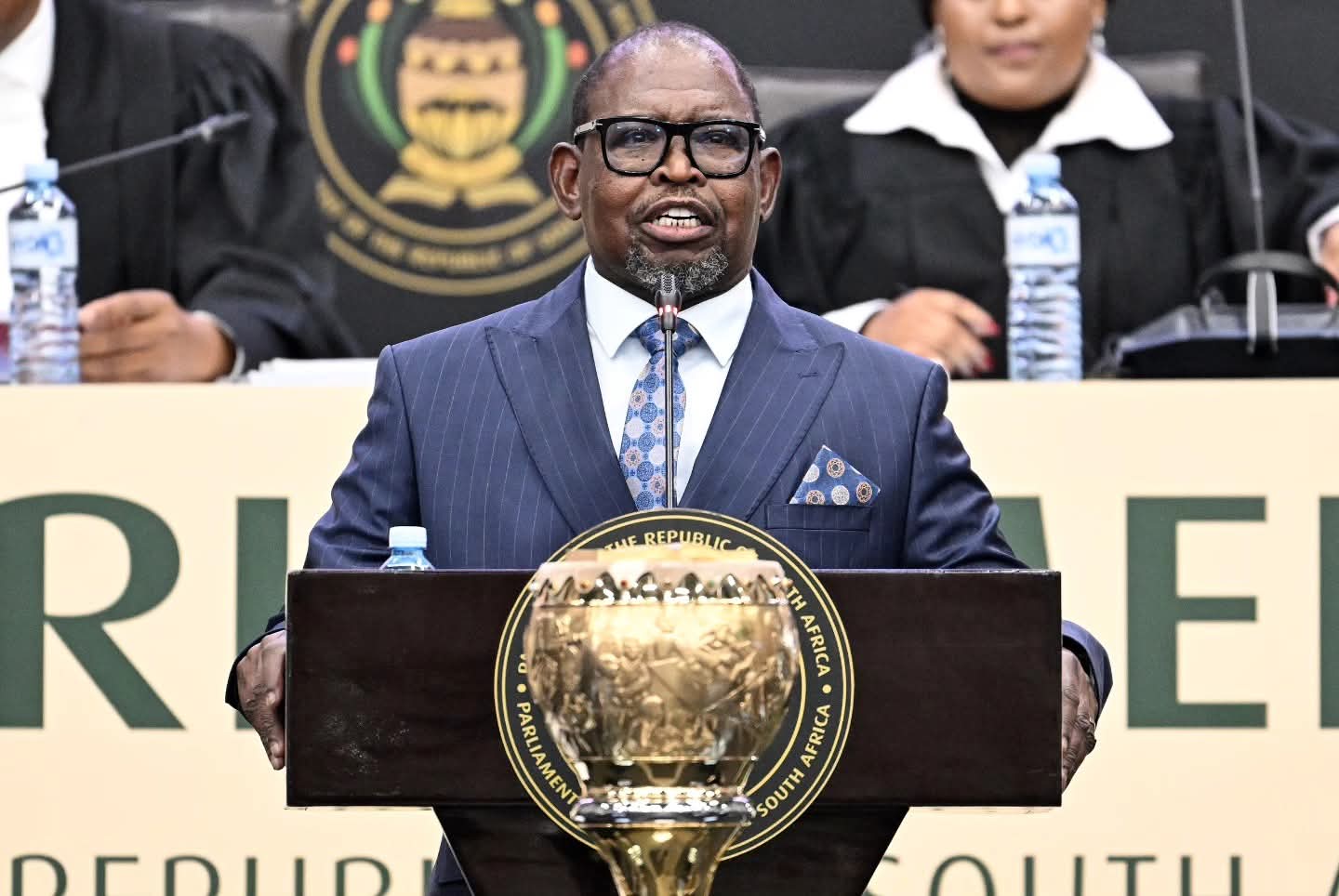
South Africa’s 2026 Budget represents a significant milestone in the country’s ongoing efforts to restore macroeconomic stability, strengthen institutional credibility, and advance a programme of structural reform.
Presented by the Minister of Finance, the Budget reflects a strategic recalibration of fiscal policy following a prolonged period of economic strain marked by governance failures, global economic shocks, and subdued growth.
The Budget outlines a consolidated fiscal framework aimed at stabilising public debt over the medium term, narrowing the budget deficit, and reallocating expenditure towards growth-enhancing public investment. These measures are intended to reinforce fiscal sustainability while creating the conditions for higher and more inclusive economic growth. Importantly, the stabilisation of debt for the first time in nearly two decades signals a restoration of policy credibility and renewed confidence in South Africa’s macroeconomic management.
Within a volatile global environment characterised by geopolitical tensions and structural shifts in trade and investment flows, the 2026 Budget positions South Africa to deepen regional integration, enhance its attractiveness as an investment destination, and consolidate its role as a strategic economic gateway to the African continent. These policy directions hold particular relevance for BRICS partners and other Global South economies seeking stable platforms for trade, infrastructure cooperation and long-term investment in Africa.
Restoring Credibility in a Volatile Global Economy
The global economy is projected to grow by 3.3% in 2026, with emerging markets such as India and Sub-Saharan Africa expected to outperform advanced economies. Against this backdrop of geopolitical tension and shifting global trade patterns, South Africa is repositioning itself to diversify trade, attract long-term investment and strengthen regional integration.
For BRICS partners, South Africa’s stabilising fiscal position enhances its role as a reliable gateway into African markets, particularly in the context of AfCFTA implementation, infrastructure-led growth and financial sector integration.
Structural Reforms: Energy, Logistics and Cities
Key reforms are underway to unlock growth:
- Energy: Regulatory reforms have opened the energy sector to private investment, accelerating new generation capacity and supporting the transition to cleaner power.
- Logistics: Rail and port bottlenecks are being dismantled to improve export competitiveness, with a new public–private model strengthening operational efficiency while retaining state ownership of core infrastructure.
- Urban Reform: Housing and spatial planning reforms aim to bring affordable housing closer to economic centres, reducing inequality and commuting costs.
These reforms are central to improving South Africa’s competitiveness within BRICS supply chains and emerging global trade corridors.
Infrastructure as a Growth Engine
Over R1 trillion will be invested in public infrastructure over the medium term, spanning transport, energy, water and digital systems. Strategic projects include the modernisation of passenger rail, national road upgrades, transmission infrastructure for electricity, and large-scale water augmentation schemes.
Importantly, Public–Private Partnerships (PPPs) are being revitalised, with several border post upgrades and the Gautrain rapid rail project approaching financial closure. These projects are expected to enhance regional trade flows, logistics efficiency and investment confidence across Southern Africa and BRICS-linked trade routes.
Fiscal Strategy and Financial Sector Reform
The Budget prioritises stabilising debt while shifting spending towards productive investment. Measures include:
- Narrowing the budget deficit to 4% of GDP in 2026/27
- Introducing a principles-based fiscal anchor to entrench long-term credibility
- Supporting small businesses through tax relief and higher VAT registration thresholds
- Expanding incentives for savings and retirement investment
Financial sector reforms also feature strongly, with new frameworks for crypto asset regulation, digital payments modernisation and cross-border capital flows — strengthening South Africa’s ambition to function as a regional financial hub.
Regional Integration and BRICS Cooperation
The Budget reinforces South Africa’s commitment to regional integration through AfCFTA-aligned financial reforms, modernised payments infrastructure and support for cross-border investment. For BRICS economies, this opens new pathways for:
- Infrastructure co-financing
- Energy transition partnerships
- Digital economy collaboration
- Logistics and trade corridor development
A Platform for Inclusive Growth
With over 60% of non-interest spending allocated to the social wage, including education, health and social protection, the Budget also prioritises social stability — a foundation for sustainable economic growth and investment confidence.
As global power shifts reshape the international order, South Africa’s 2026 Budget reflects a strategic recalibration: restoring fiscal sovereignty, strengthening infrastructure, and positioning the country as a resilient partner within BRICS and the wider Global South.
