
China's Zero Tariff Policy Creates New Export Opportunities for South Africa After Paul Mashatile's China Visit
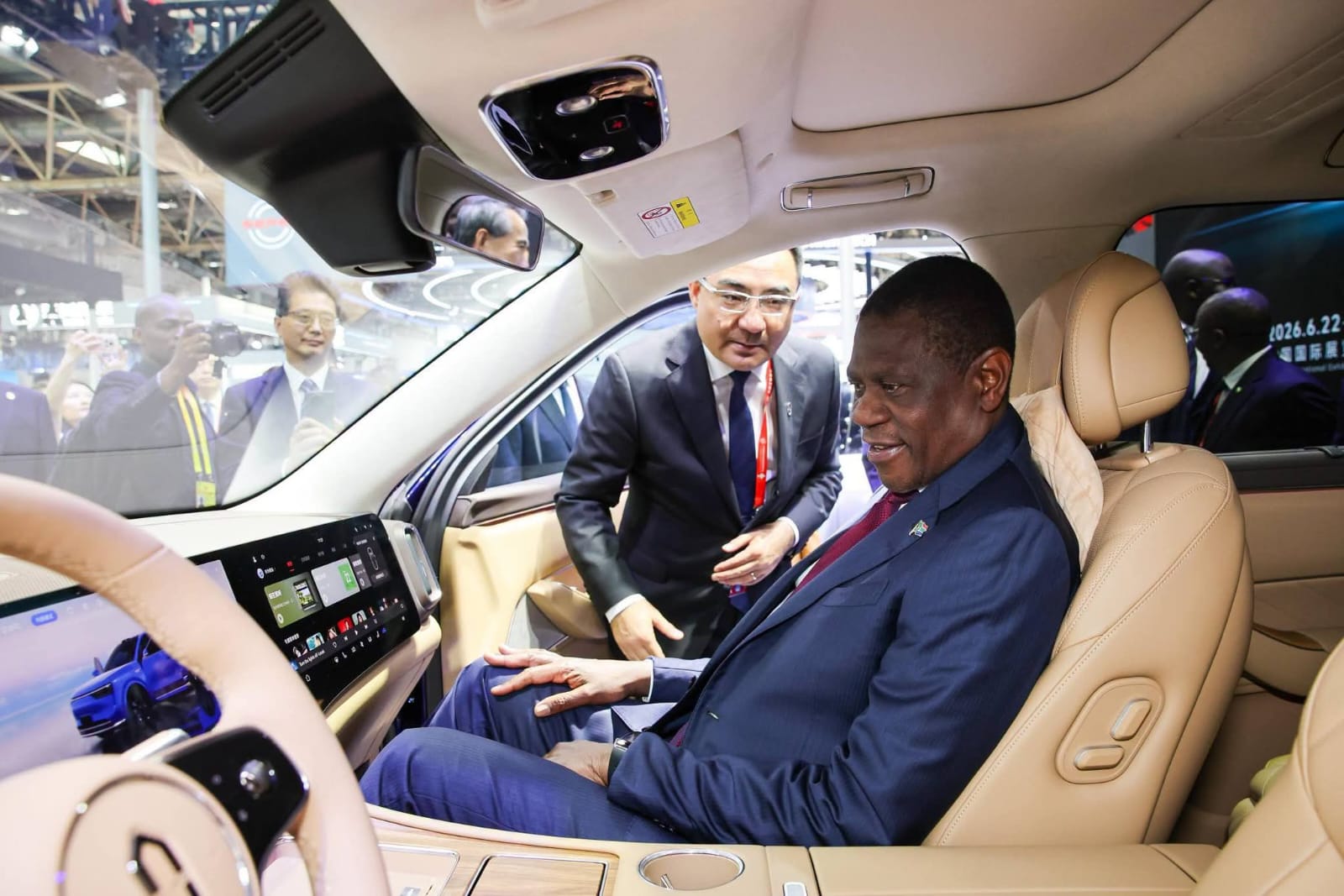
As China opens its market to duty free imports from 53 African countries, Deputy President Paul Mashatile's Working Visit has positioned South Africa to compete for what could become one of the country's biggest export opportunities in decades.
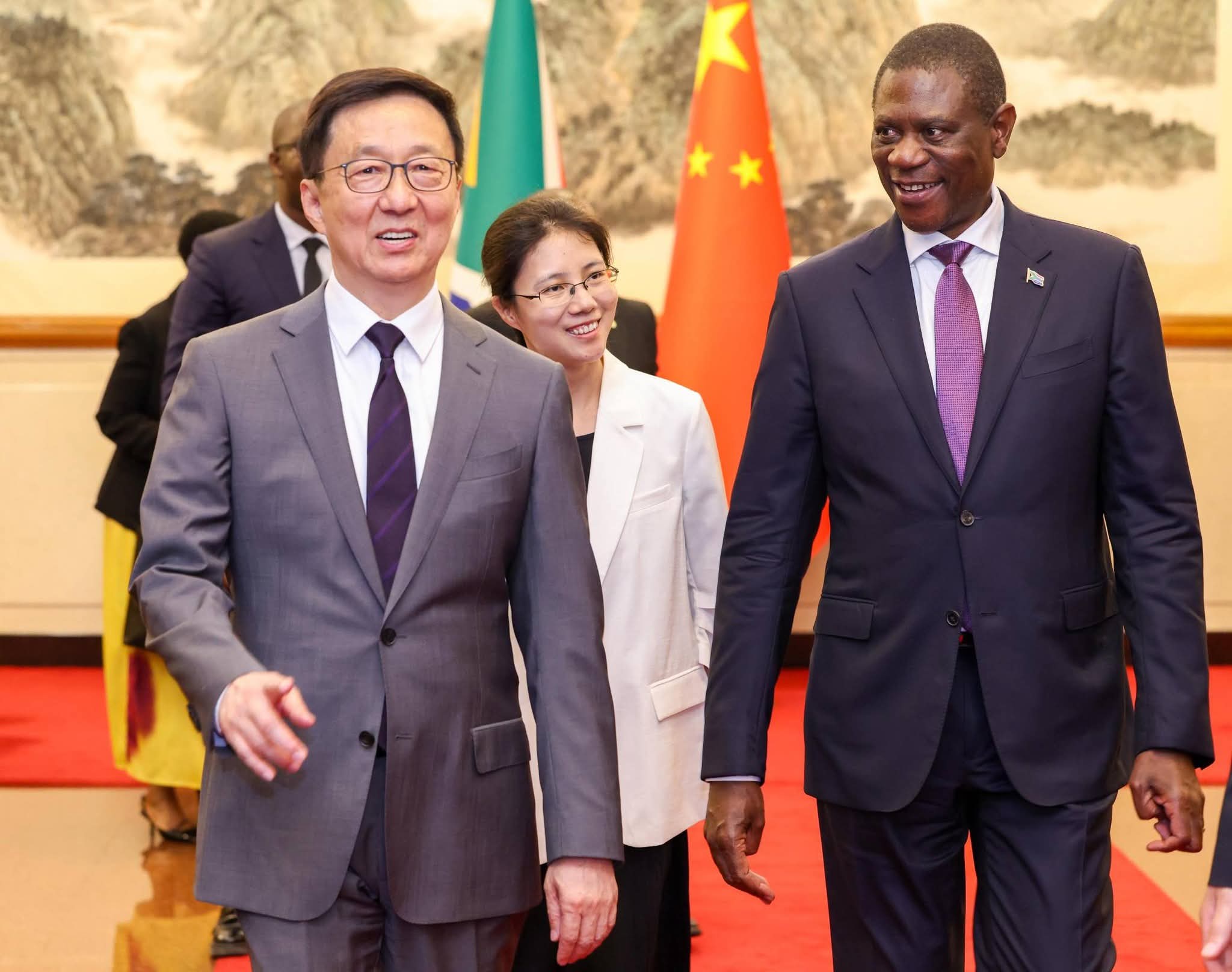
The visit, which concluded on 27 June 2026, came at an important moment for South Africa-China relations. China’s tariff-free policy creates a new opportunity for South African exporters, manufacturers and investors seeking greater access to one of the world’s largest consumer markets.
For South Africa, the opportunity is not only about selling more products to China. It is about positioning the country as a serious industrial partner, a manufacturing base, and a gateway into African markets.
The engagements focused on three strategic priorities: expanding market access for South African products, attracting investment into productive industries, and deepening industrial cooperation across automotive manufacturing, infrastructure, renewable energy, mineral beneficiation, healthcare and advanced manufacturing.
Ahead of South Africa's participation in the Fourth China International Supply Chain Expo (CISCE), Deputy President Paul Mashatile and his delegation held discussions with Mr Ren Hongbin, Chairman of the China Council for the Promotion of International Trade (CCPIT).
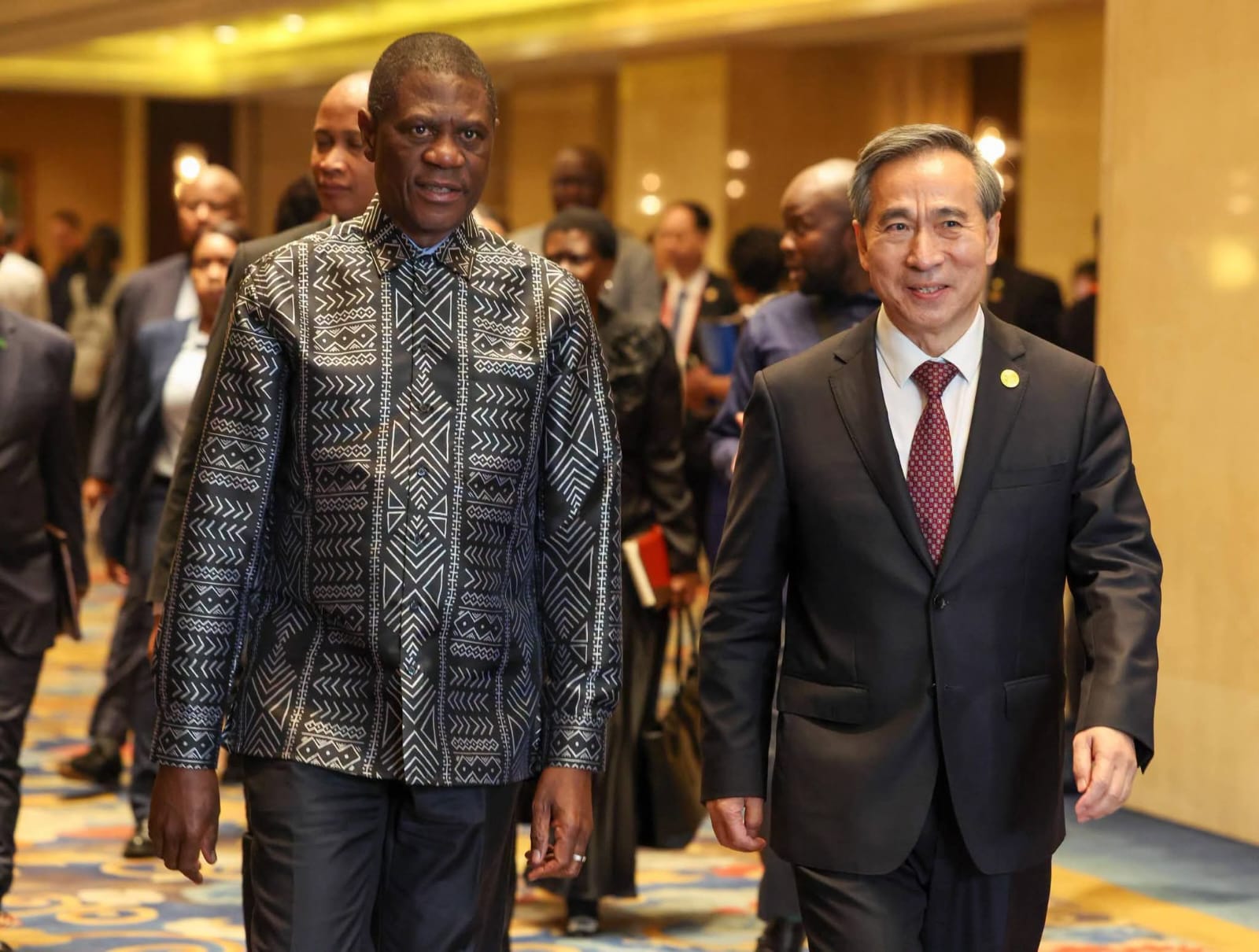
The meeting reaffirmed the importance both countries attach to expanding trade, investment and industrial cooperation while improving market access and strengthening commercial partnerships between South Africa and China.
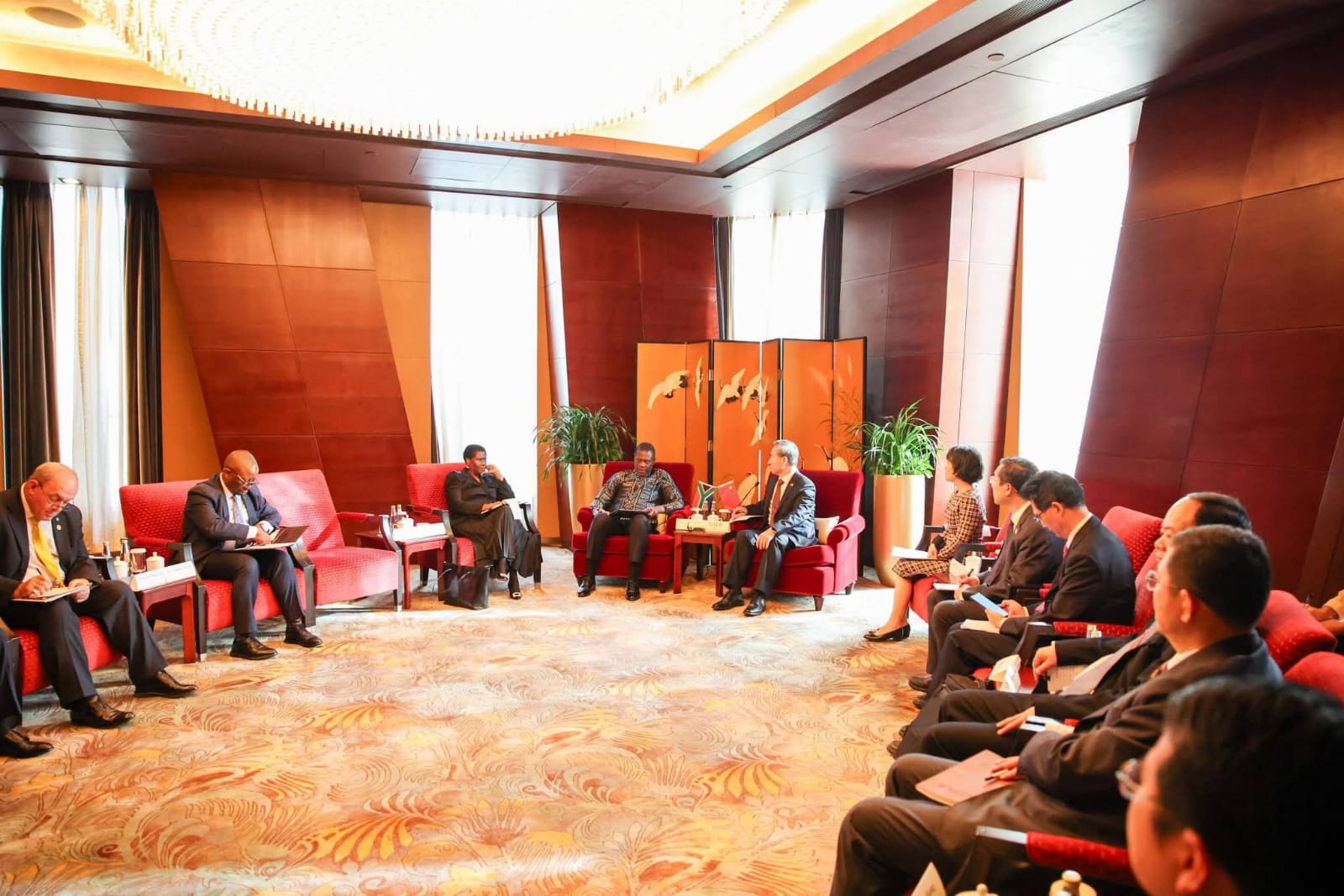
The Deputy President's participation marked South Africa's second consecutive appearance at the China International Supply Chain Expo, following his attendance at the third CISCE in July 2025. The continuity of South Africa's engagement reflects a deliberate strategy to deepen the South Africa China All Round Strategic Cooperative Partnership in the New Era and reinforce South Africa's position as a gateway to Sub Saharan Africa for trade, investment and industrial development.
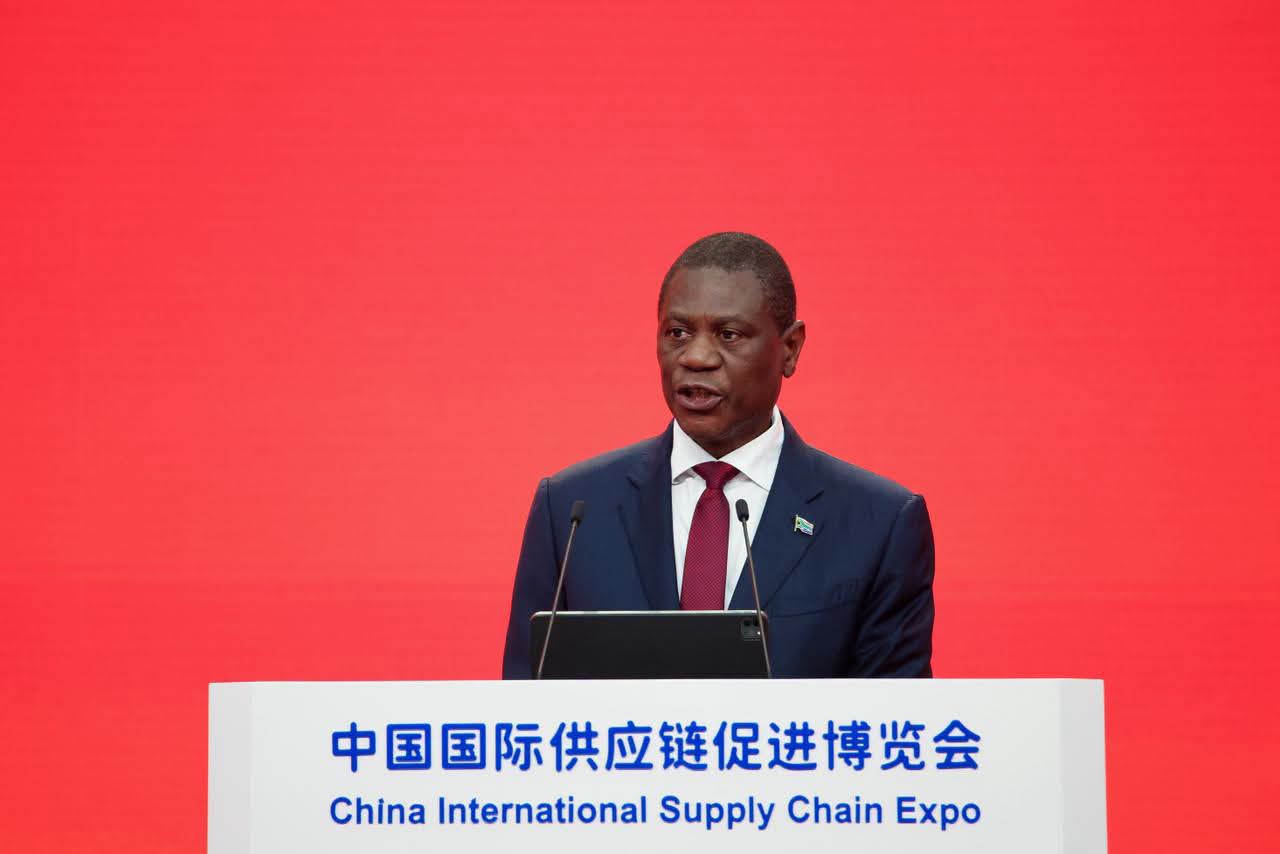
Addressing delegates at the Expo, Deputy President Mashatile positioned South Africa as an investment destination supported by established industrial capabilities, a sophisticated financial sector and well developed logistics infrastructure. He further presented South Africa as a strategic manufacturing and export platform capable of supporting resilient global supply chains while moving beyond the traditional export of raw materials towards greater value addition, advanced manufacturing and industrial production.
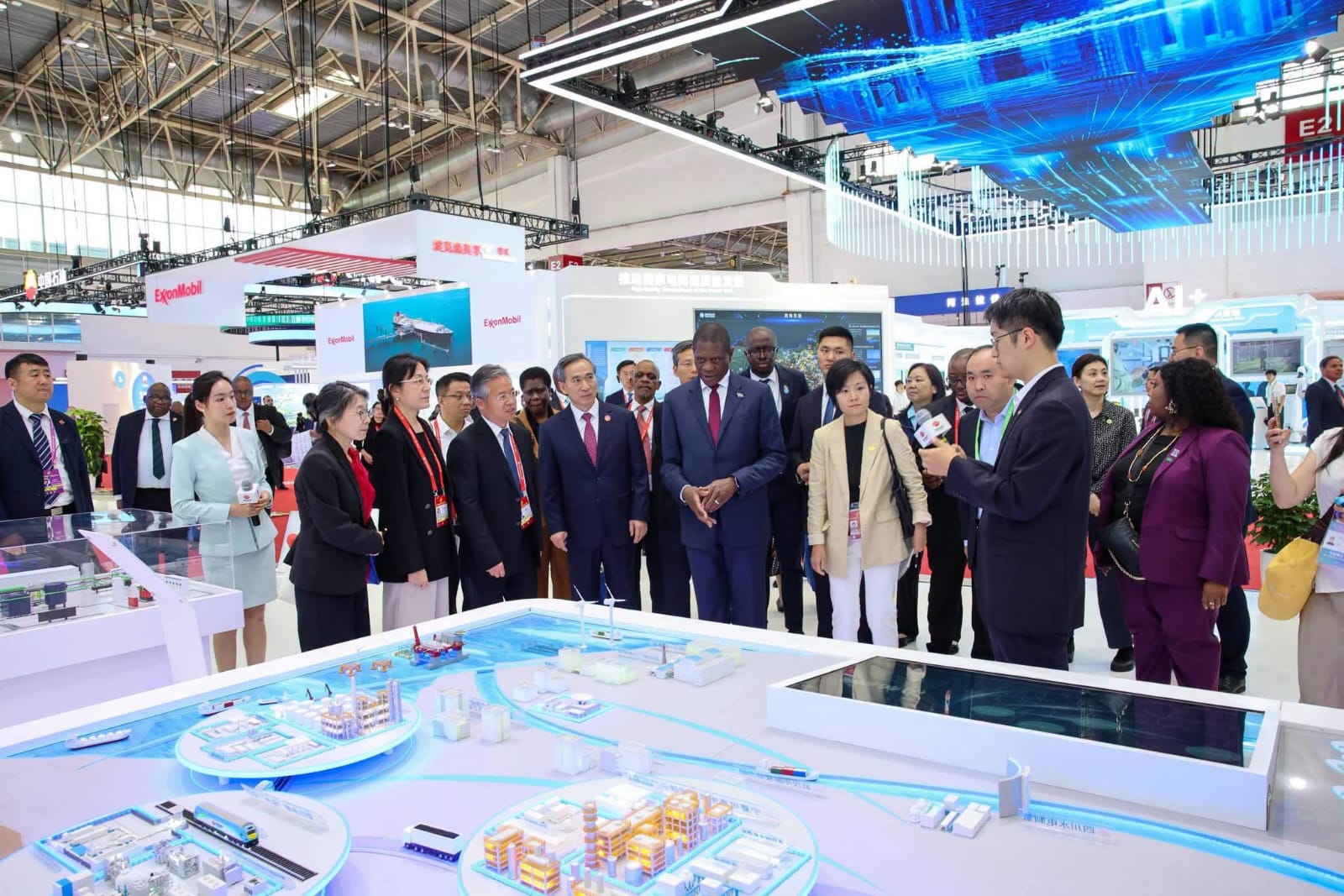
This is where the tariff-free opportunity becomes strategically important. If South African producers can access the Chinese market under improved trade conditions, sectors such as agriculture, agro-processing, wine, citrus, minerals, automotive components, and manufactured goods could benefit from stronger export pathways.
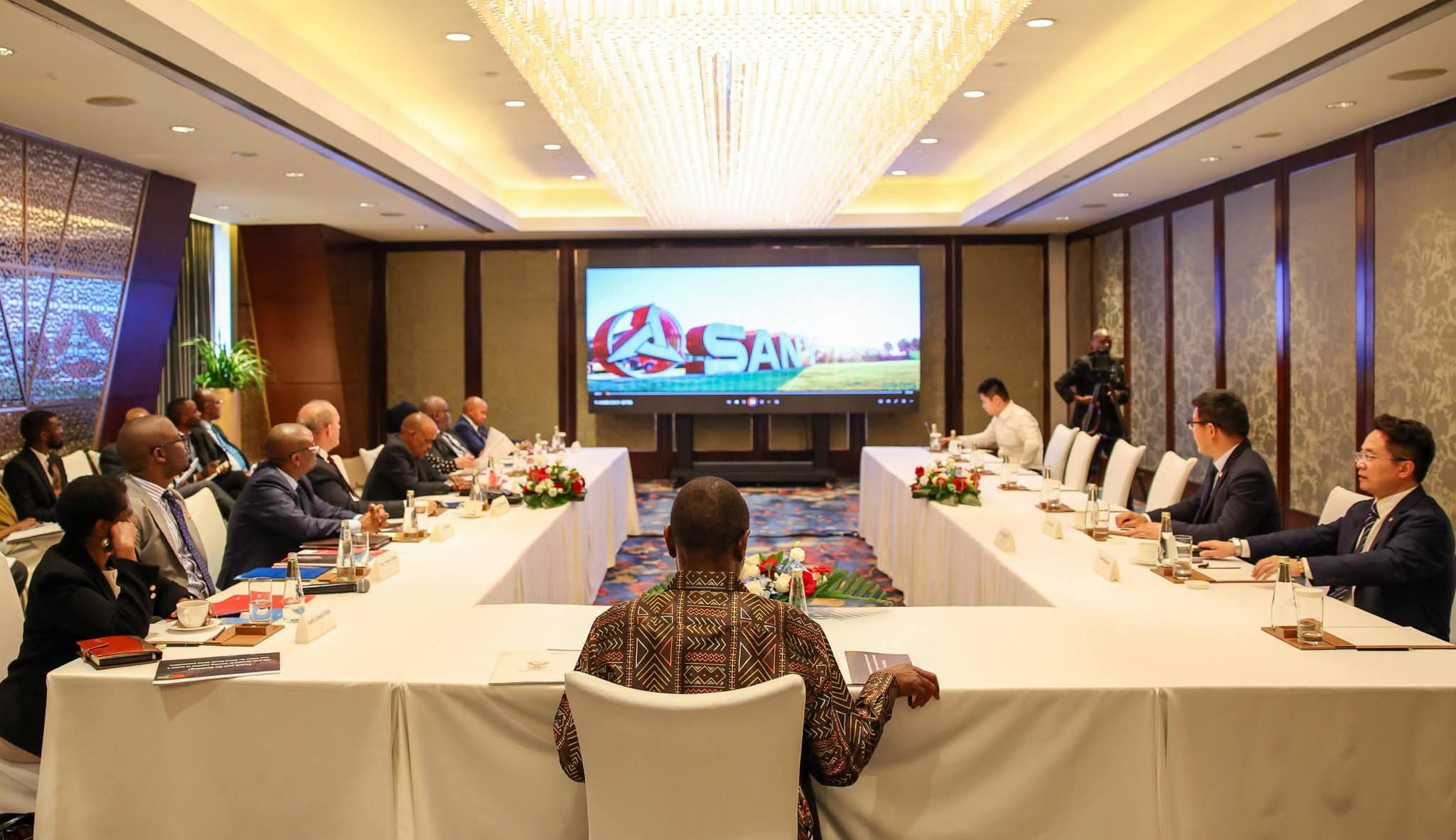
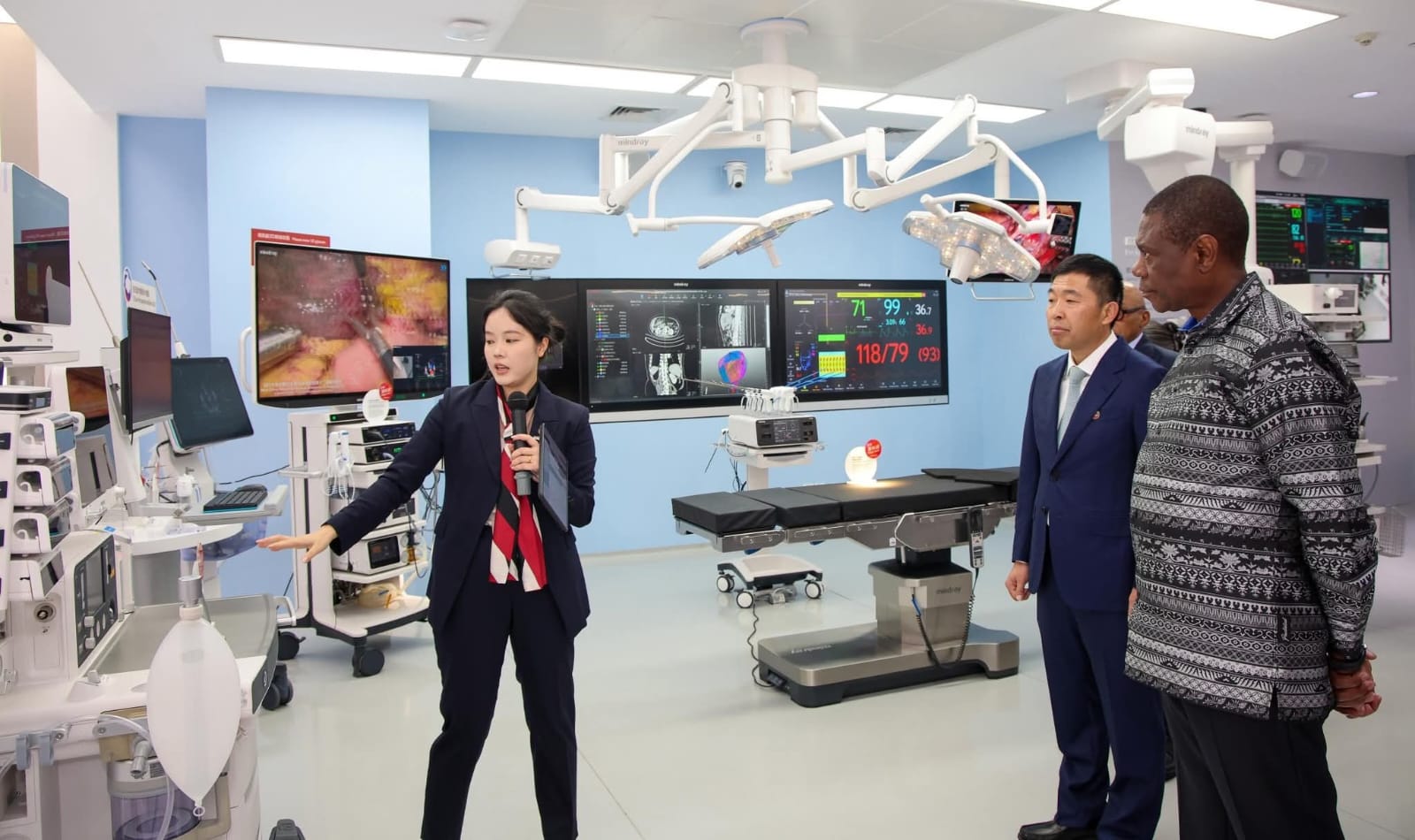
The visit also provided practical evidence of South Africa’s investment diplomacy. Mashatile met several major Chinese companies, including China Communications Construction Company, Geely Automobile, Chery Automobile, Green Minerals and Metals Holding, Beijing GeoEnviron Engineering and Technology, China Everbright Environment, Mindray Bio Medical Electronics, and SANY Group.
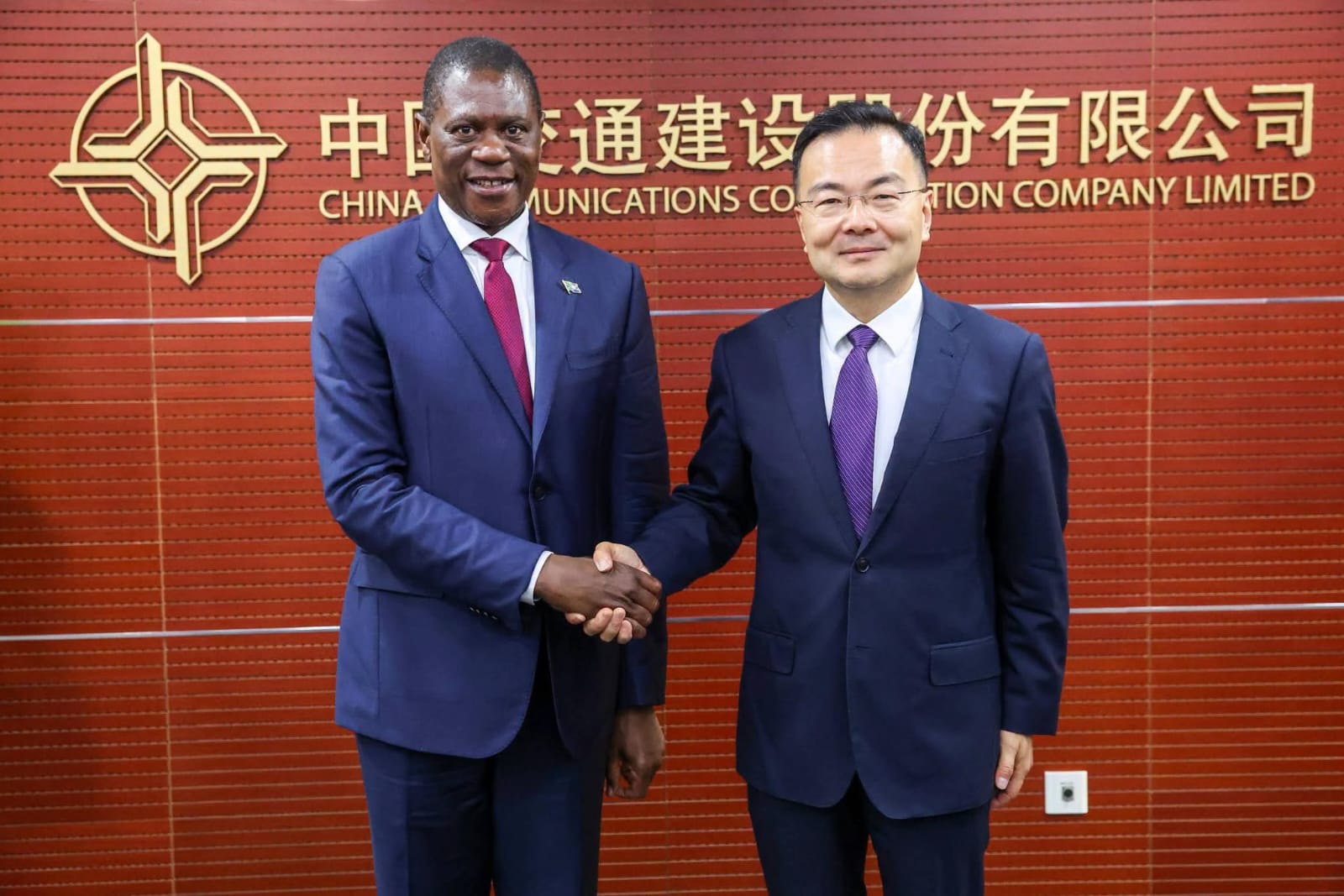
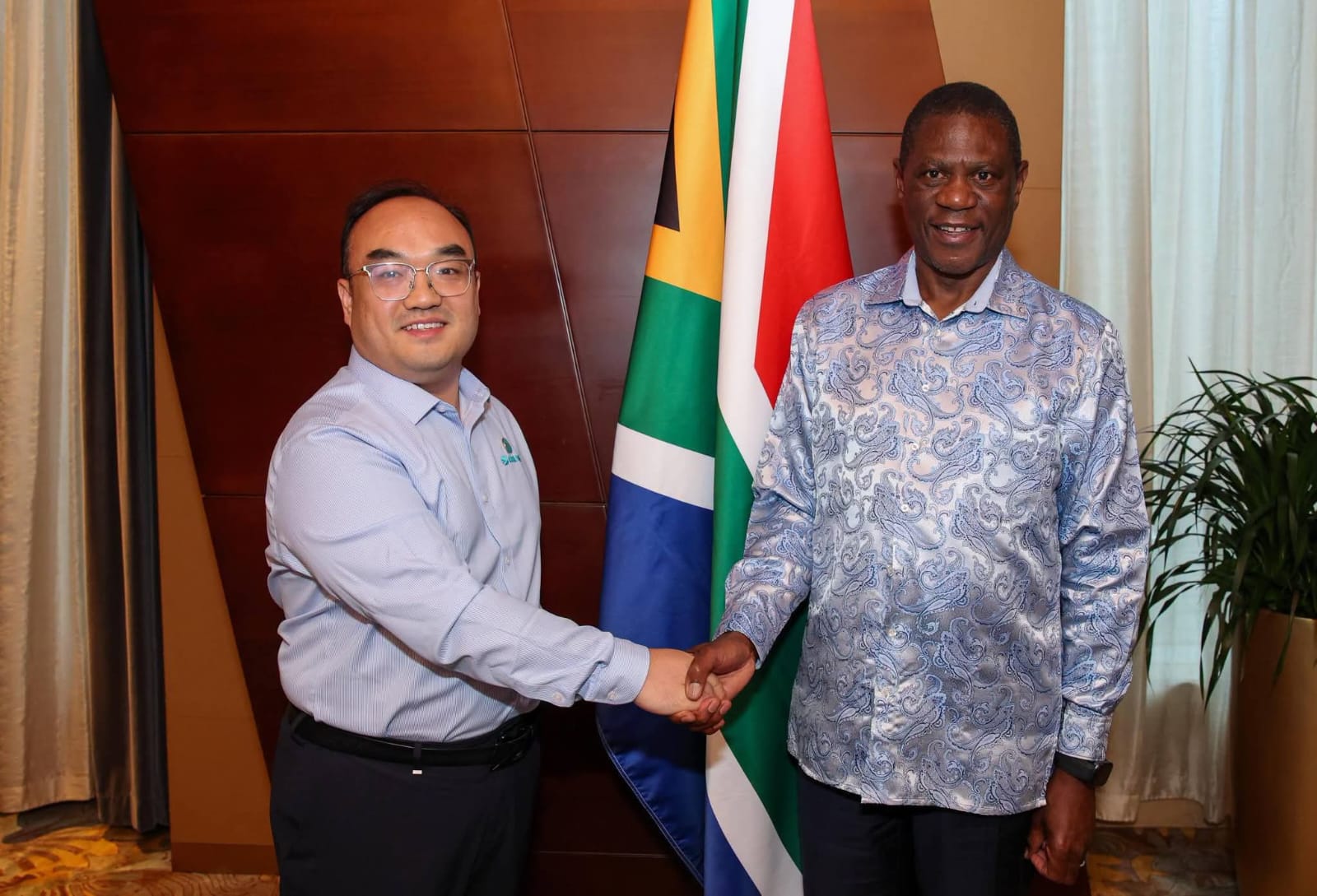
Talks with the leadership of Beijing GeoEnviron Engineering & Technology on opportunities for cooperation in environmental management.
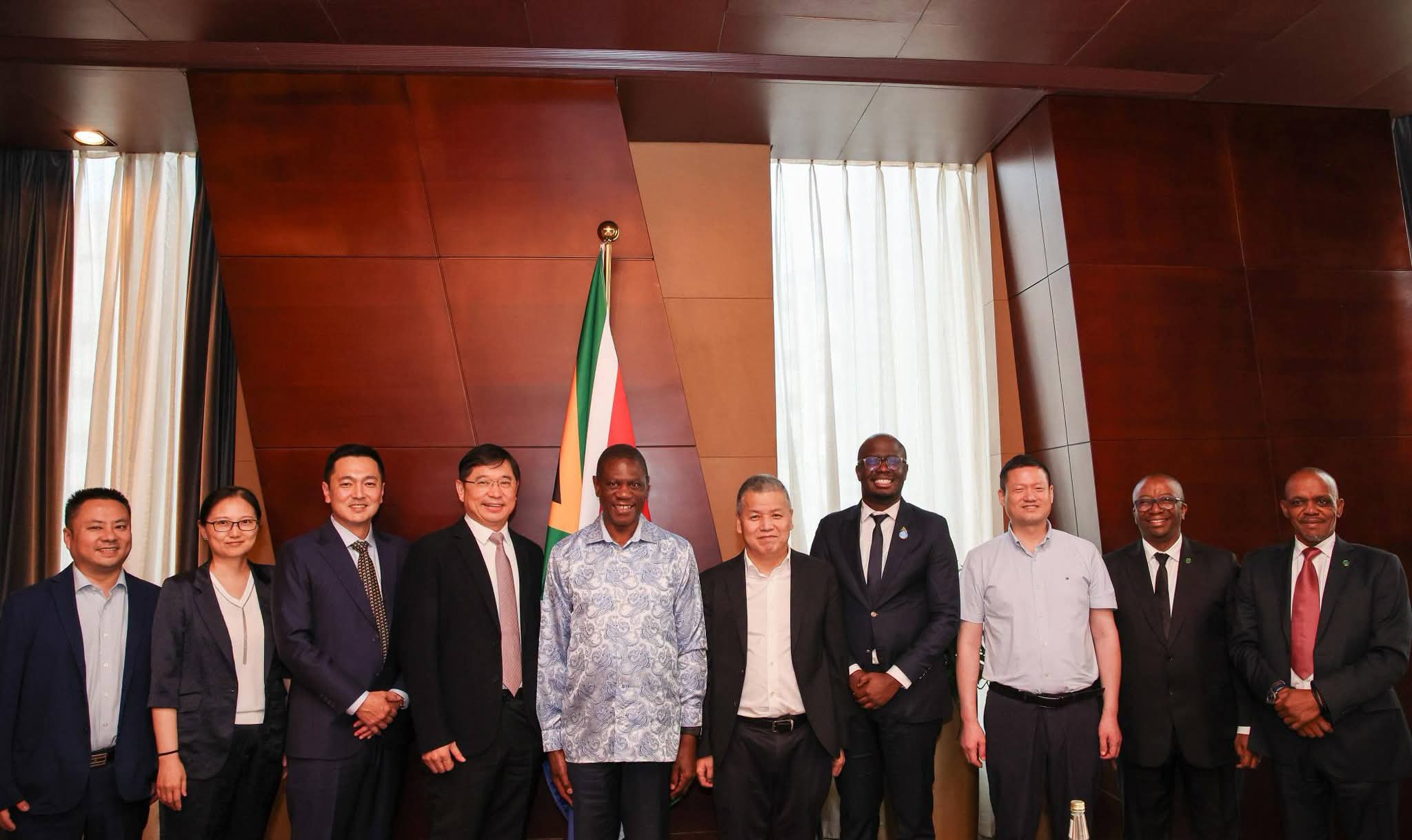
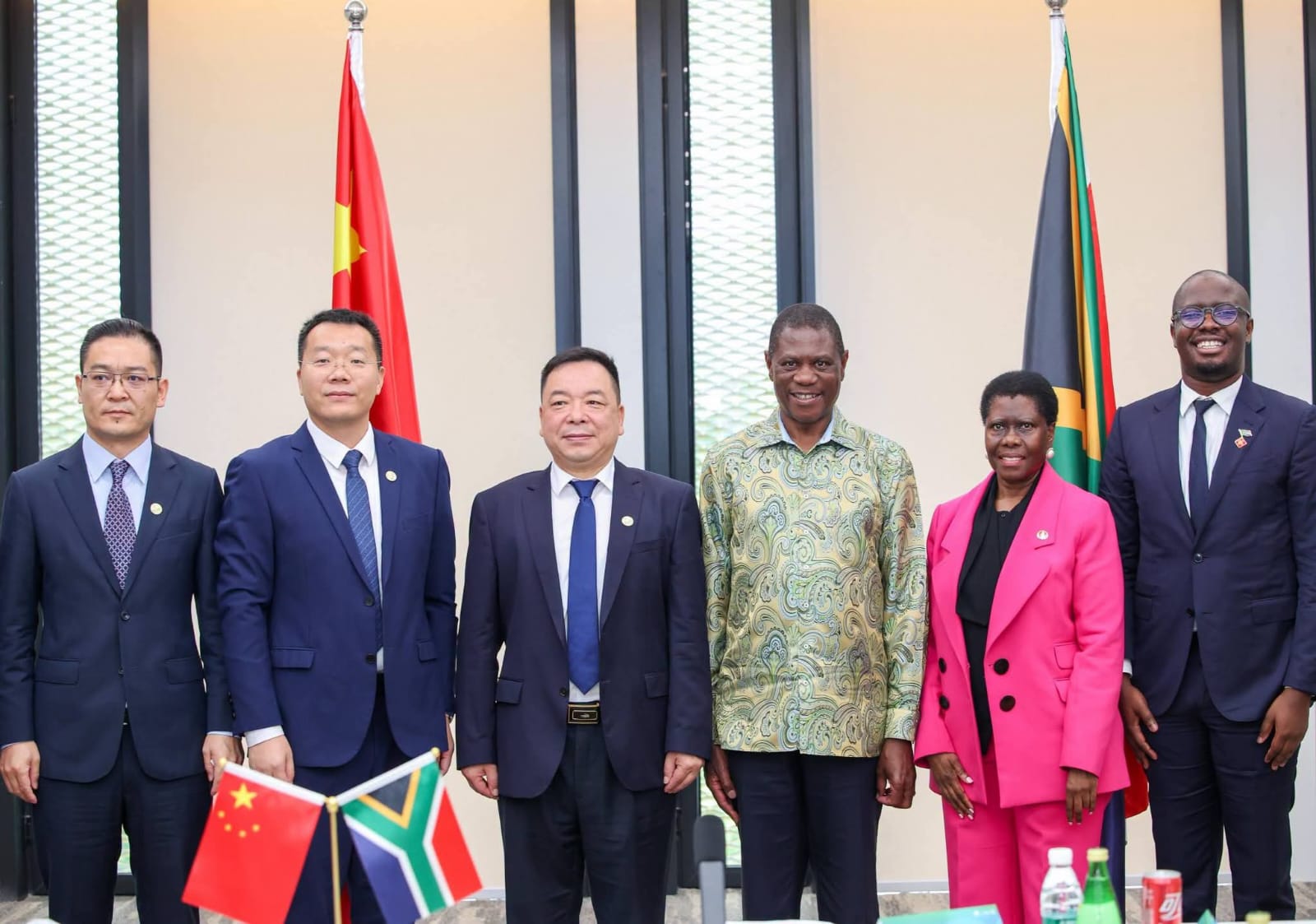
.jpeg)
Hydrogen Energy Talks with IHFCA Secretary General Ms Wang Ju
These engagements were not symbolic. They focused on infrastructure, vehicle manufacturing, electric mobility, environmental management, medical technology, localization, skills development, and technology transfer. These sectors can support job creation, industrial expansion, and long-term economic competitiveness in South Africa.
The automotive discussions are especially important. Engagements with Chery, Geely and Joylong point to growing Chinese interest in South Africa’s vehicle manufacturing ecosystem. If aligned with local supplier development and electric vehicle production, this could strengthen South Africa’s position as a continental automotive hub.
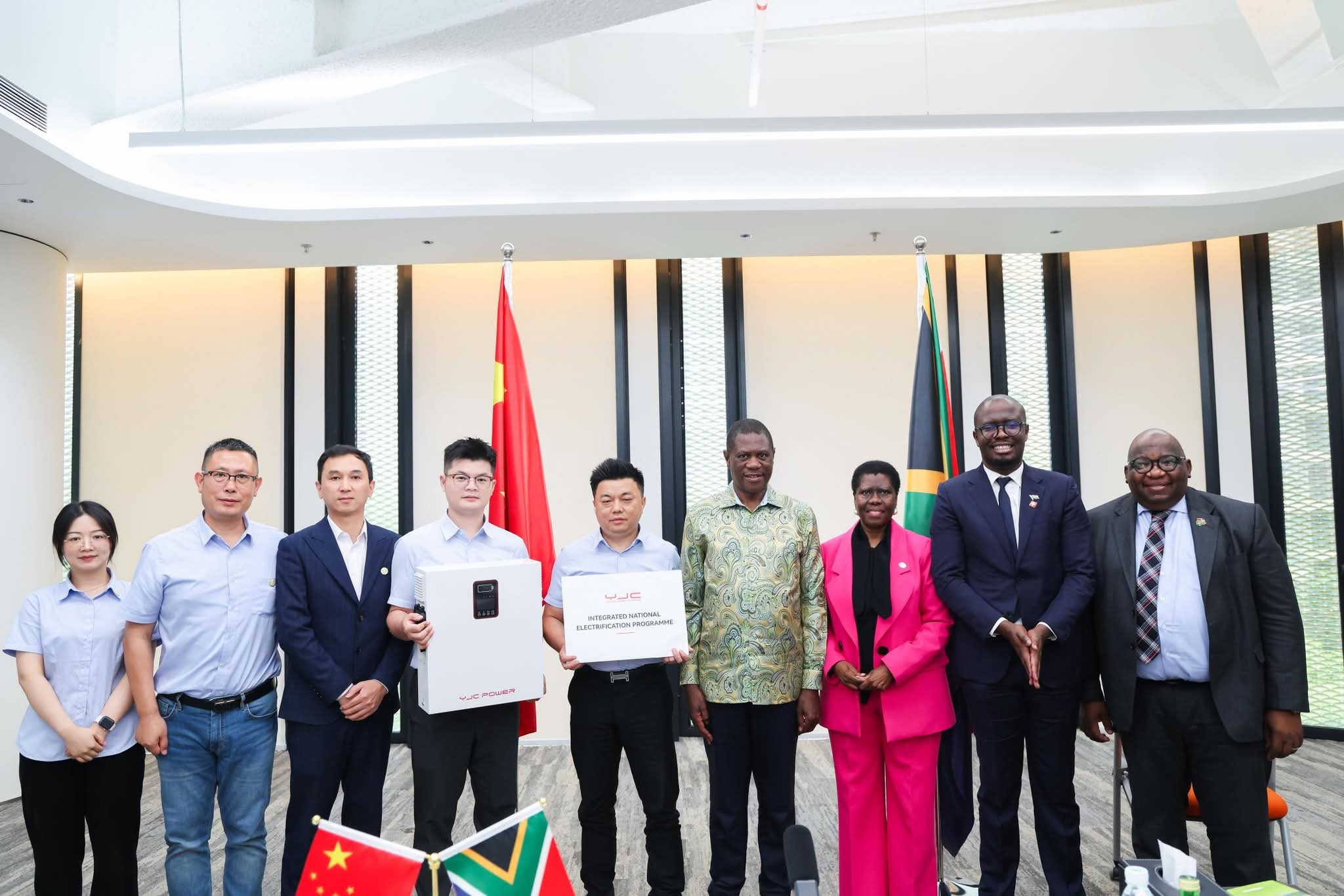
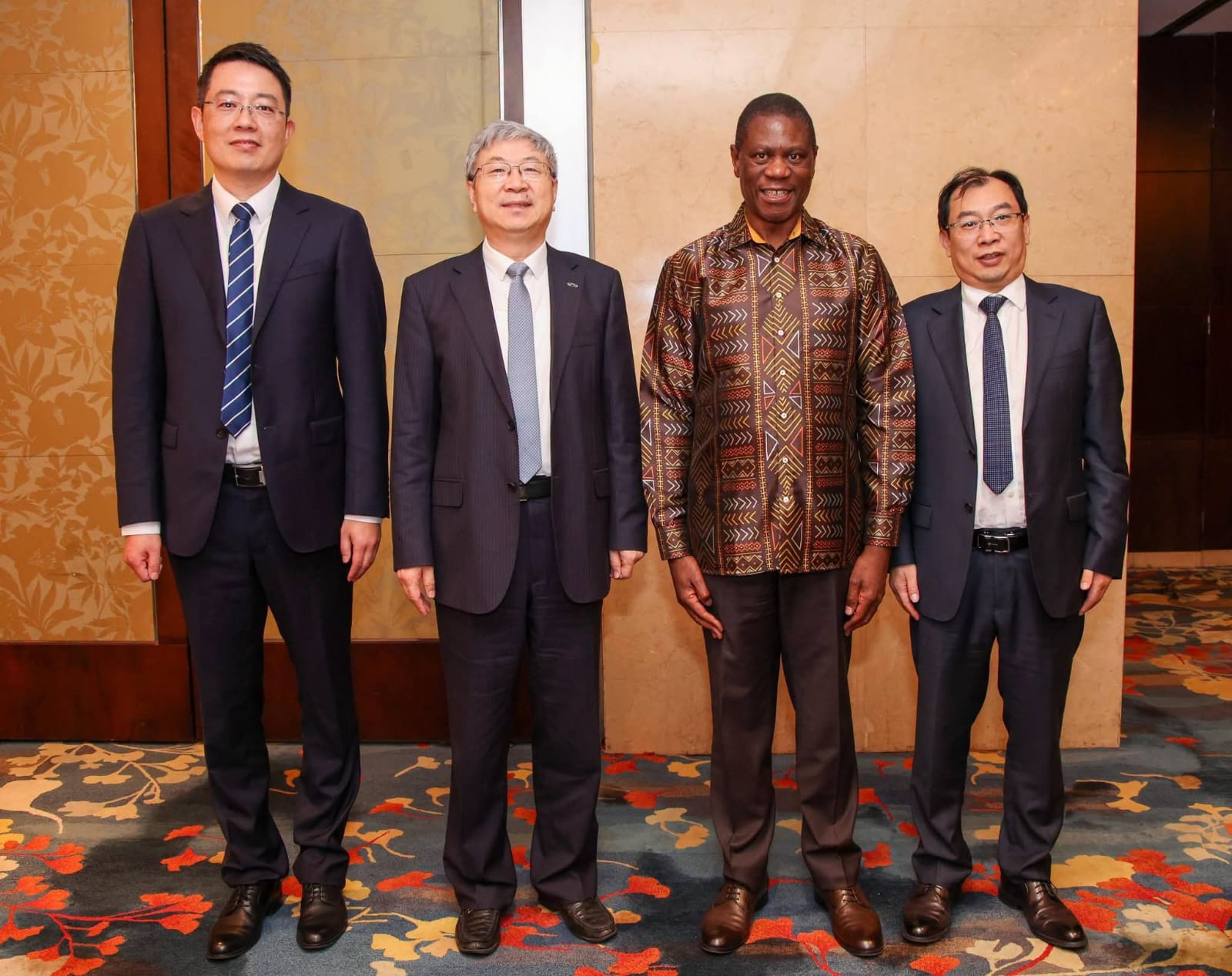
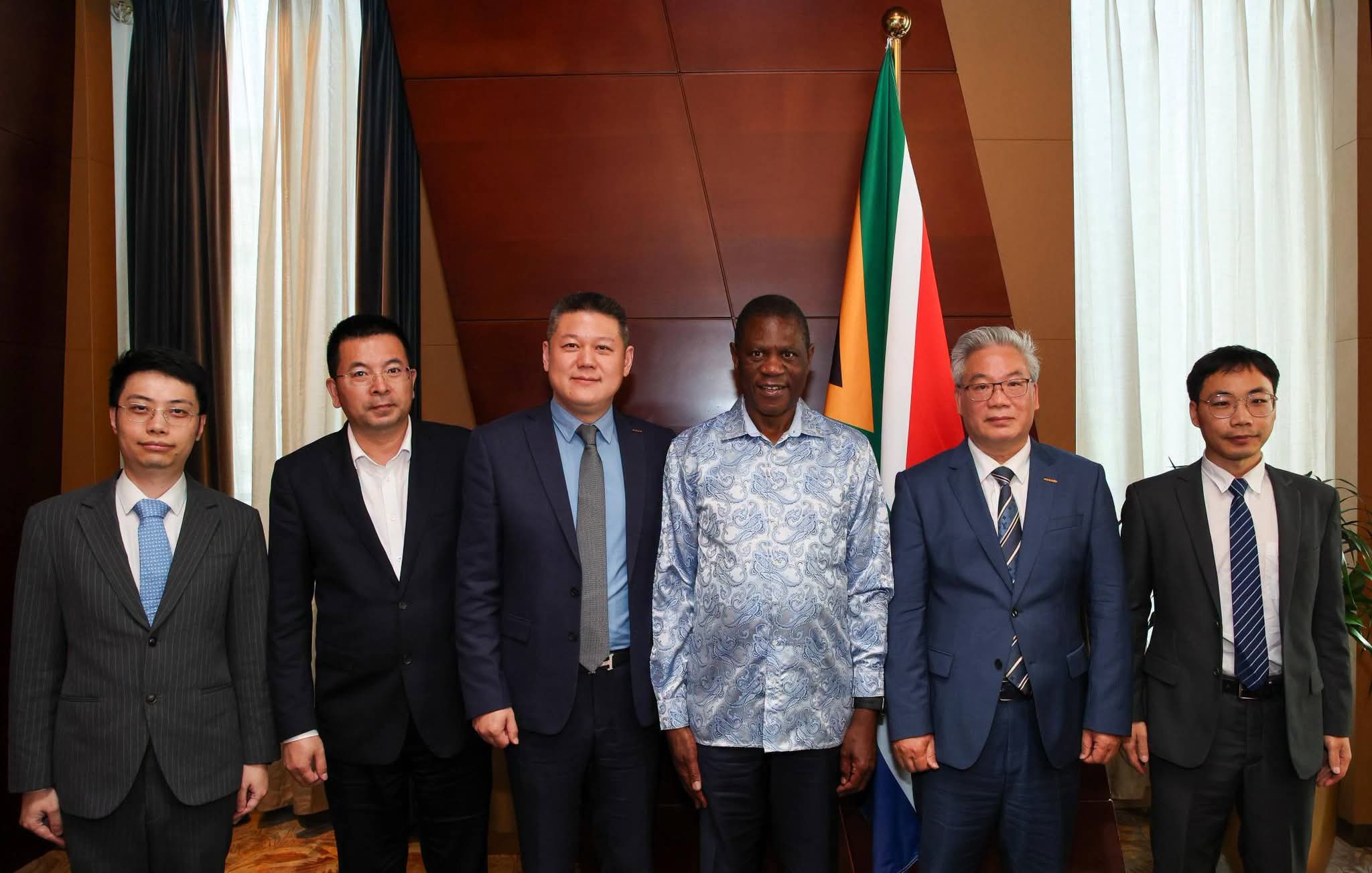
The Shenzhen leg of the visit added an additional layer to the economic agenda. Shenzhen is one of China’s most dynamic technology and manufacturing centers.
By engaging business leaders, government representatives and the South Africa China Shenzhen Chamber of Commerce, Mashatile sought to connect South African opportunities with one of China’s most advanced innovation regions.
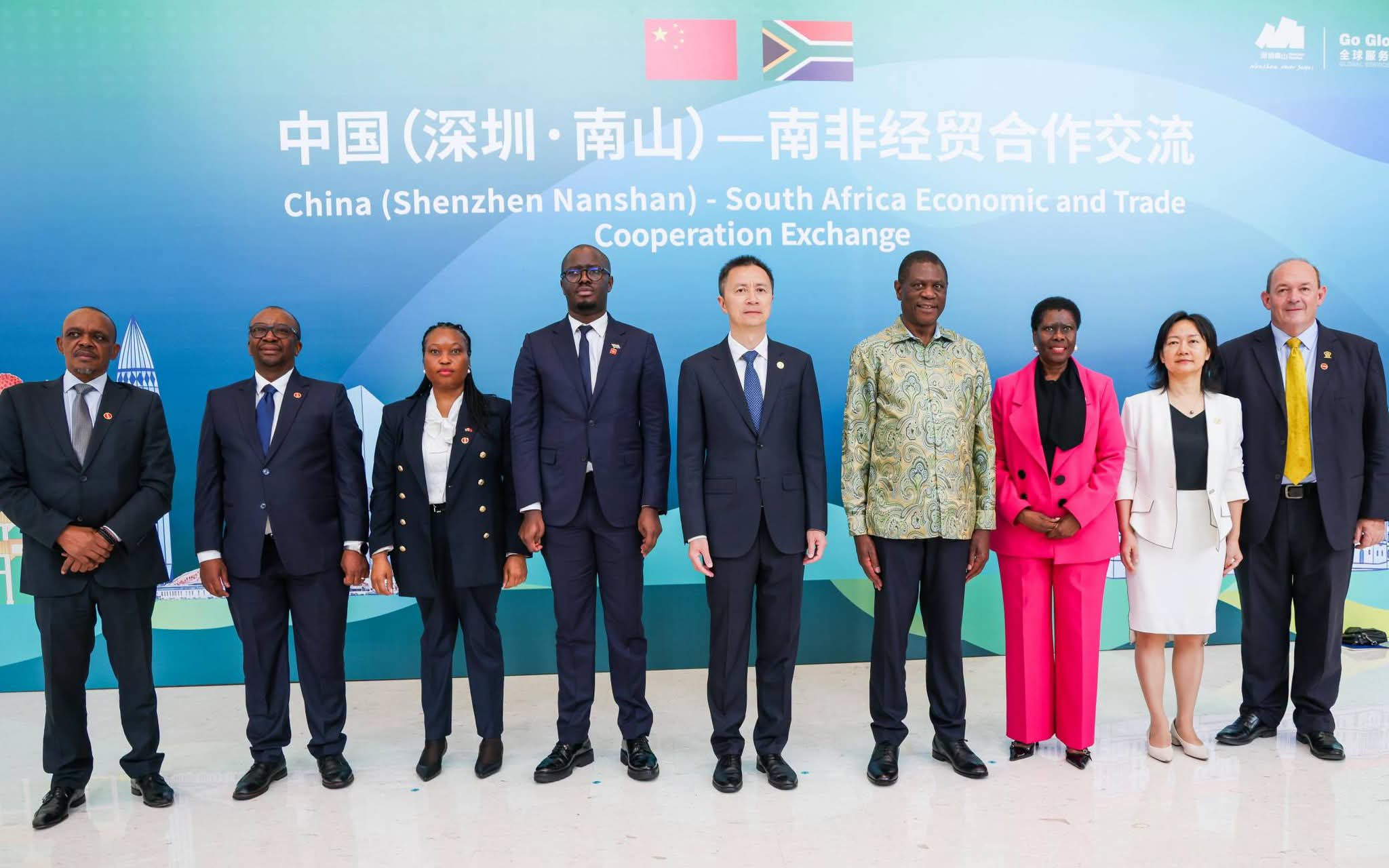
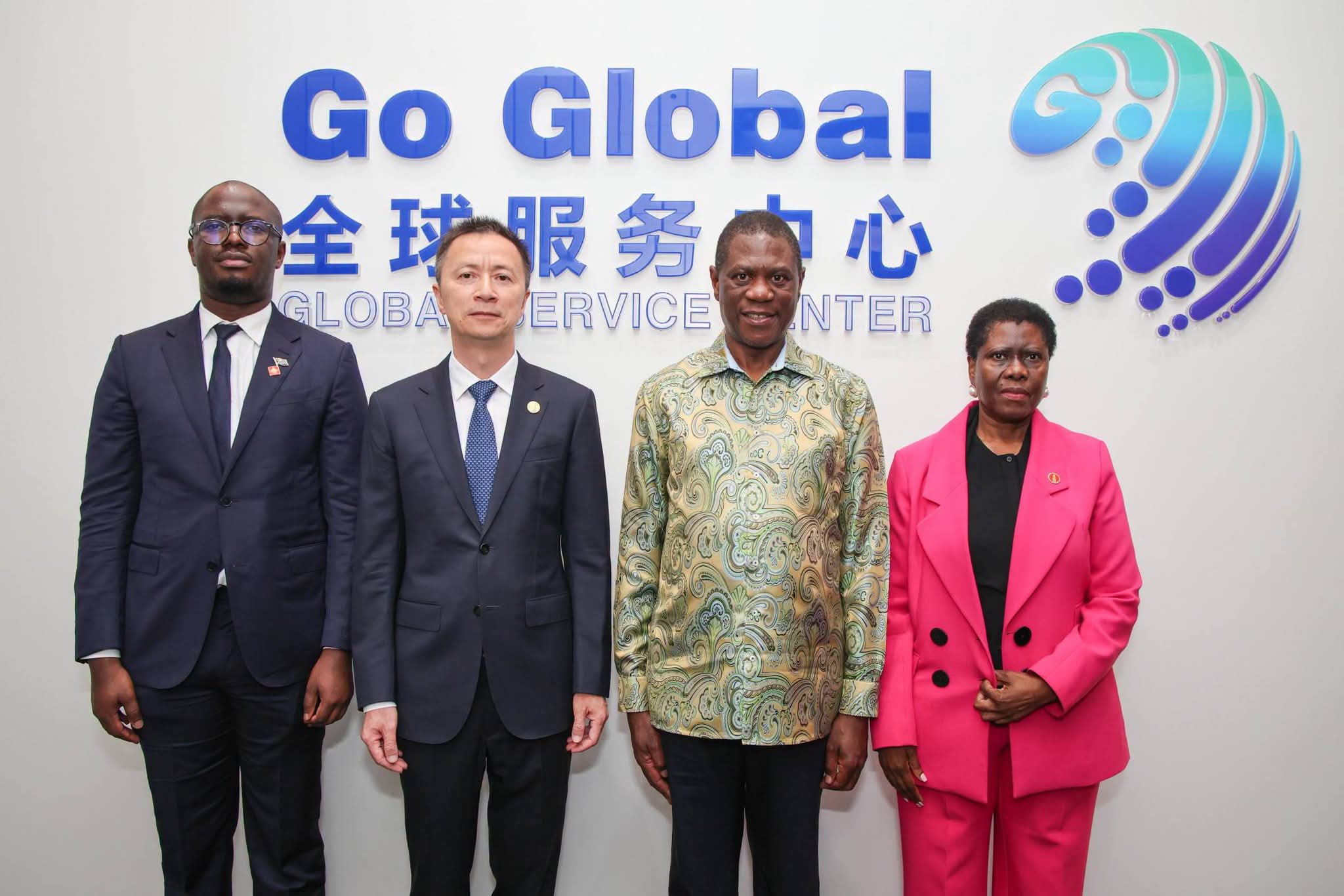
South African Ambassador to the People's Republic of China, Mr Zuko Godlimpi
Deputy Minister of Trade, Industry and Competition, and Secretary of the CPC of Nanshan District Committee Shenzhen, Mr Huang Xiangyue, South Africa Satellite Office Opens at Global Service Centre.
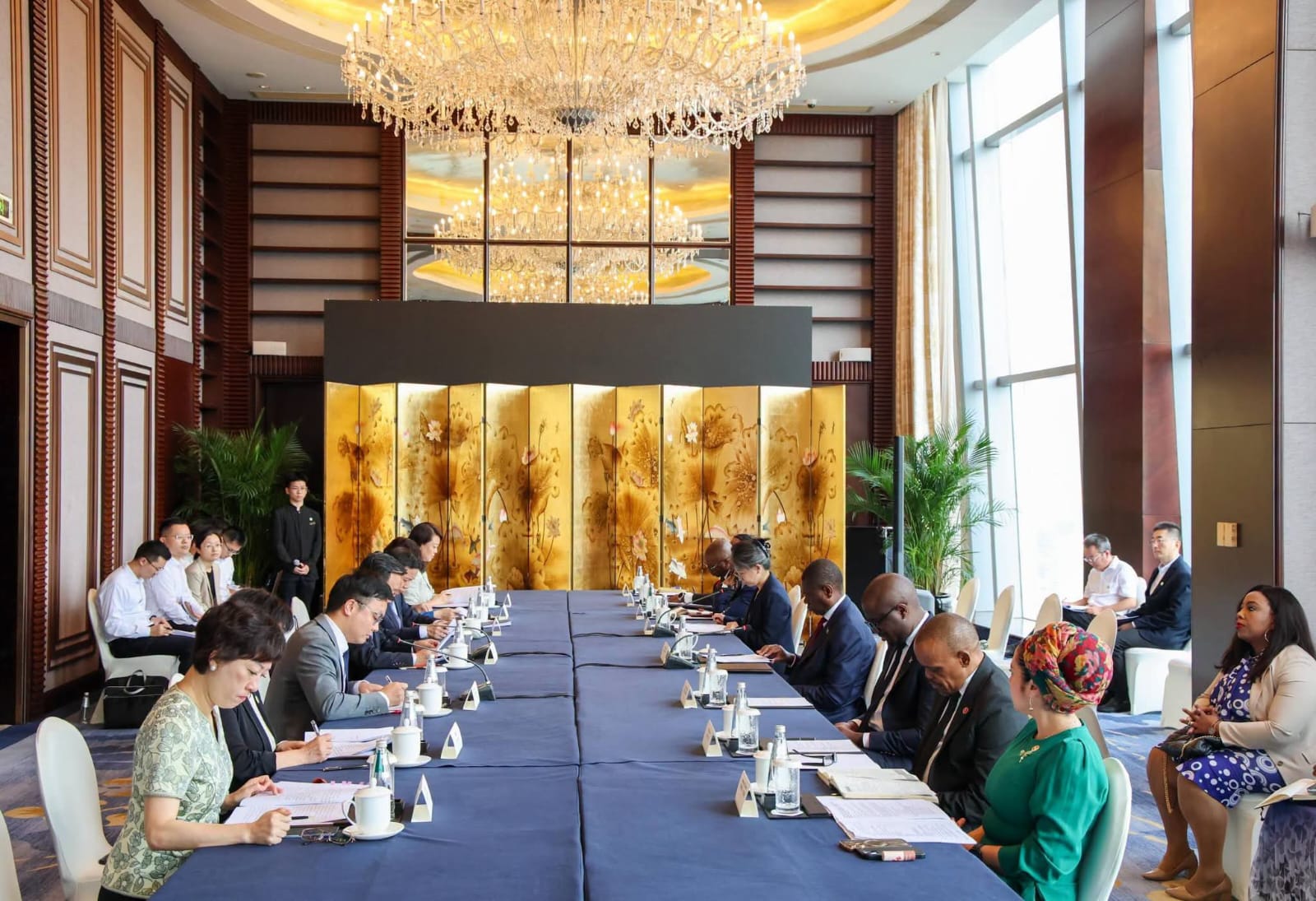
During bilateral talks with Mr Jin Lei, Secretary of the Communist Party of China in Shenzhen, both sides reaffirmed their commitment to strengthening trade, investment and industrial cooperation under the South Africa China All Round Strategic Cooperative Partnership in the New Era, as endorsed by President Cyril Ramaphosa and President Xi Jinping.
The discussions recognised Shenzhen's transformation into one of China's leading economic centres through market oriented reforms, industrial innovation and export led development.
For South Africa, Shenzhen offers an important model for industrial expansion while presenting new opportunities to attract investment into manufacturing, infrastructure, technology and value added production.
Deputy President Mashatile reaffirmed South Africa's commitment to the One China Policy and welcomed the growing cooperation between South Africa and Shenzhen, particularly through the work of the South Africa China Shenzhen Chamber, which continues to facilitate commercial partnerships, investment promotion and people to people exchanges.
Economic discussions also focused on implementing China's decision to grant 100 per cent duty free market access to African countries, accelerating negotiations on the proposed Early Harvest Agreement, mobilising investment from Shenzhen into South Africa's priority sectors, and expanding exports of higher value South African products into the Chinese market.
The Deputy President further highlighted South Africa's Trade and Investment Package (2025 to 2029) as a framework for attracting strategic investment while encouraging greater cooperation in manufacturing, industrial development, logistics and infrastructure. These priorities complement South Africa's broader objective of moving beyond commodity exports towards value addition, industrialisation and increased participation in regional and global value chains.
The Shenzhen engagement also built upon the outcomes of the Ninth South Africa China Binational Commission, held in Cape Town in March 2026, reinforcing the continuity of high level political dialogue and translating bilateral commitments into practical economic cooperation.
.jpeg)
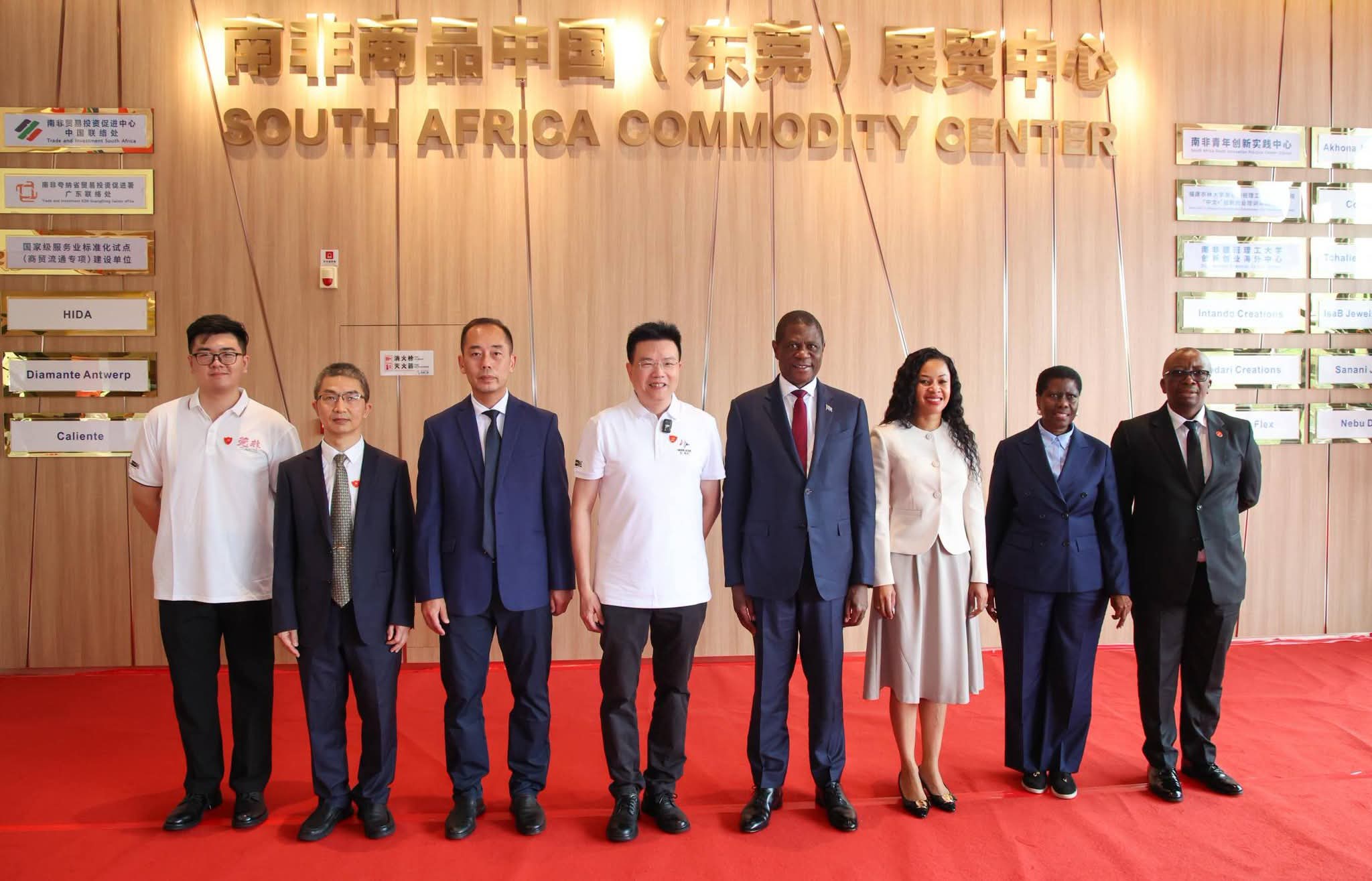
The visit ended in Dongguan with a tour of the South Africa Commodity China Exhibition and Trade Center, a platform created to facilitate trade between the two countries. This directly supports the wider goal of turning diplomatic relations into assessable trade outcomes.
Mashatile’s visit also fits into the wider BRICS economic agenda. Successive BRICS Declarations have emphasized South-South cooperation, industrialization, infrastructure development, technology transfer, and a broader, inclusive global economic order. South Africa’s engagement with China reflects these priorities in practical form.
China has created a new framework for African exports through its duty free market access initiative. Deputy President Mashatile's Working Visit demonstrated South Africa's intention not simply to participate, but to compete. The challenge now shifts from diplomacy to delivery. Success will depend on how quickly government and industry convert new market access into export growth, industrial investment and higher value manufacturing. If achieved, the visit could be remembered as an important milestone in South Africa's evolving economic partnership with China and its broader role within BRICS.
Photo: Government Communication and Information System (GCIS)
Source: The Presidency of the Republic of South Africa
Written by: Melissa Hollow | BRICS AFRICA CHANNEL
