
Africa on the Radar as Games of the Future Eyes Next Phase of Global Growth

Africa’s Phygital Opportunity: South Africa Leads the Way
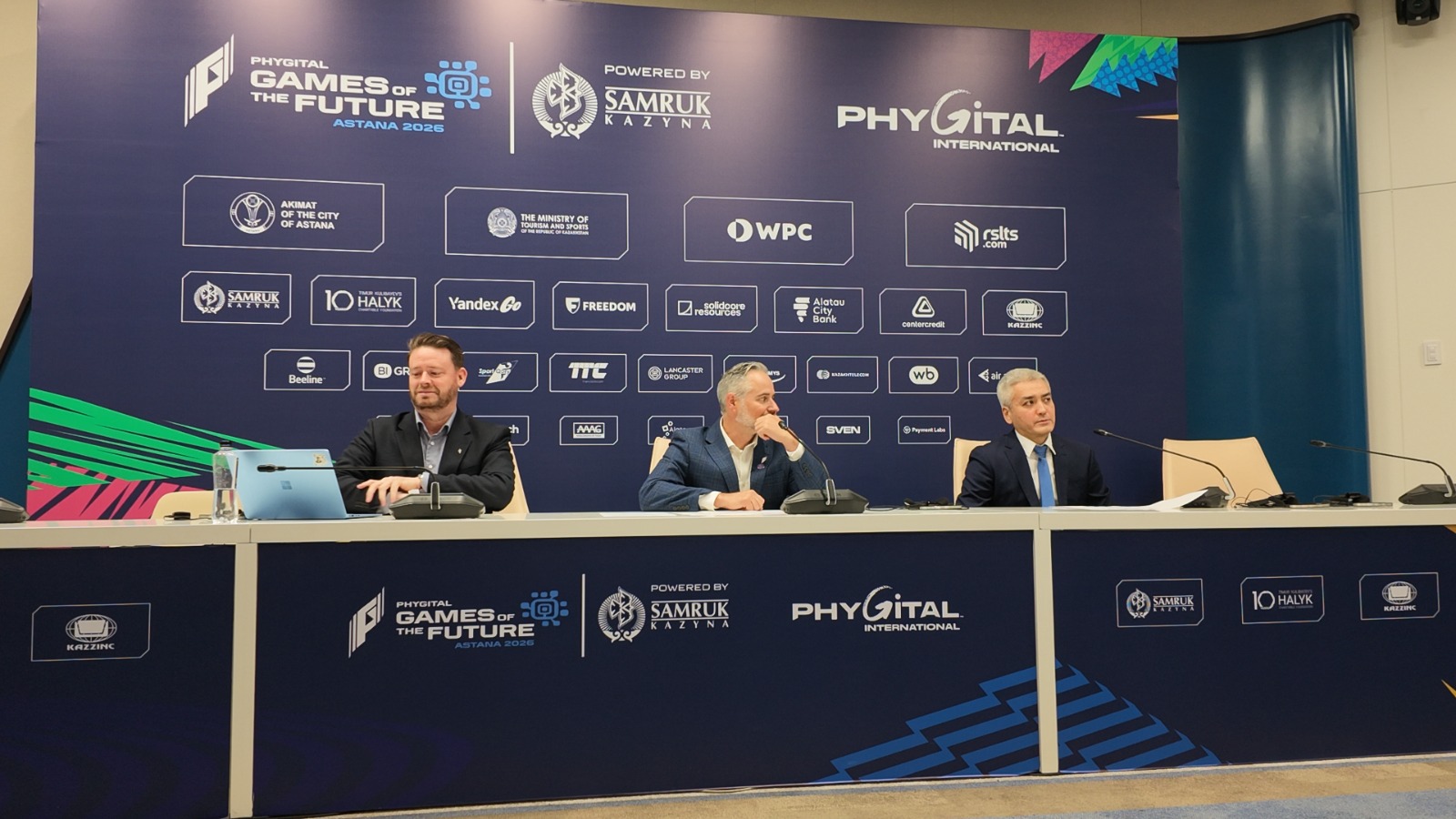
BRICS AFRICA CHANNEL highlighted South Africa’s growing digital community and asked Phygital International CEO Daniel Merkley about greater participation from South Africa and the African continent, as well as the possibility of bringing the Games to South Africa in the future.
Merkley’s response gave one of the clearest indications of how the organization views Africa’s potential.
He pointed to the continent’s existing representation within the World Phygital Community and particularly highlighted South Africa’s level of participation.
South Africa, he explained, has successfully delivered competitors across the movement’s core disciplines, including Phygital Dancing, Phygital Shooter,Phygital Basketball and Phygital Football.
Merkley described South Africa as an example of the level of engagement the organization wants to encourage internationally.
More significantly, he confirmed that the country is firmly on the organization’s radar.
“We do consider South Africa as a great place to land the Games of the Future.”
He demonstrated confidence in South Africa’s ability to stage a major international event, referencing the country’s experience hosting the 2010 FIFA World Cup.
But the significance of his response went beyond the possibility of hosting.
Merkley also spoke about working with the South African member, possibly developing government partnerships and strengthening the capability, competency and experience of members else where on the African continent.
That could ultimately prove to be the bigger story.
Hosting a major international competition would be significant for Africa, but developing a durable ecosystem could create opportunities that continue long after an international tournament ends.
South African competitors have already been present in Astana.
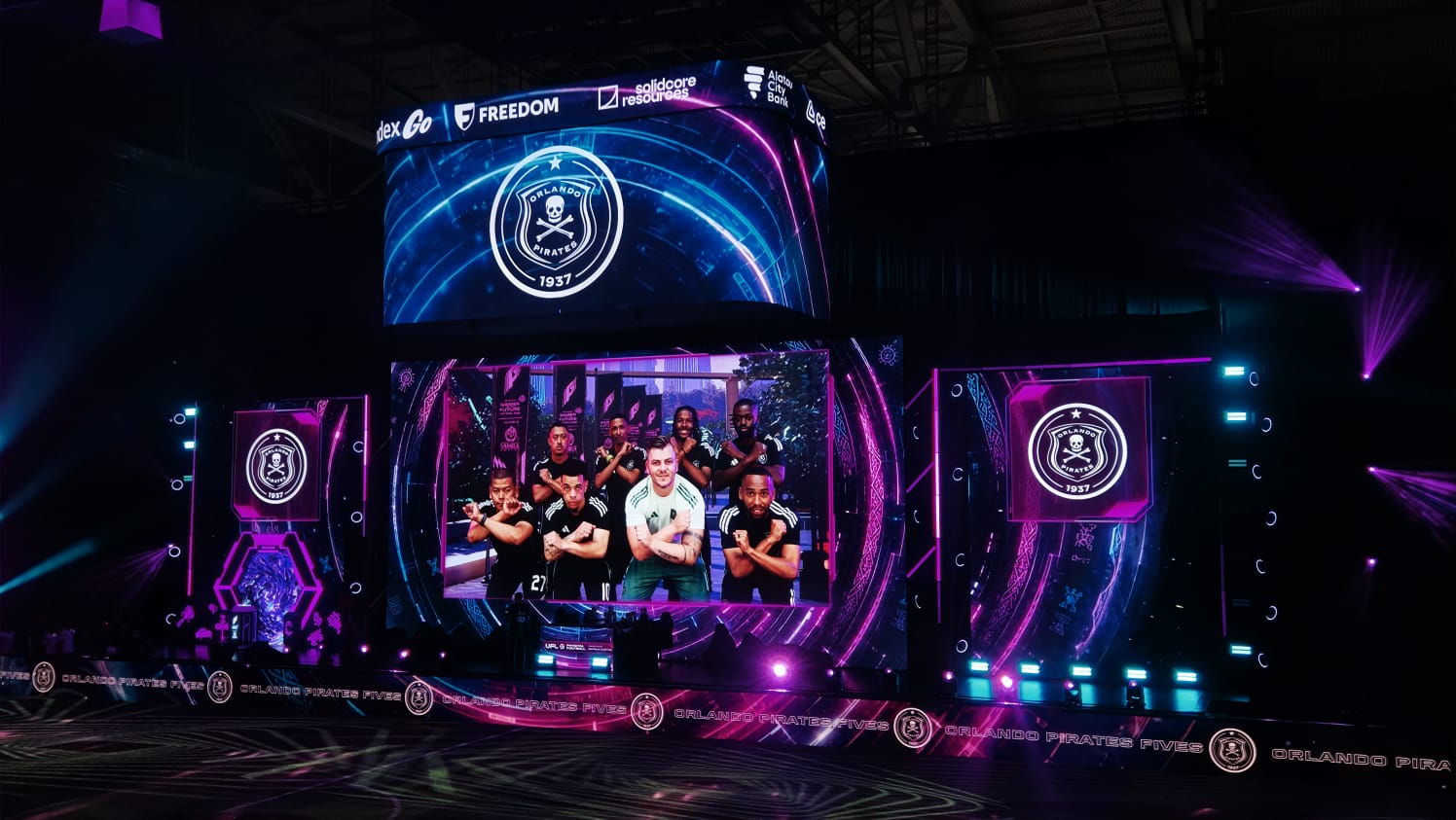
Orlando Pirates Fives represented the country in Phygital Football,while Team Hybrid competed in Phygital Shooter.
Can this become a career?
One of the most important questions raised during the press conference focused on whether competitors could eventually develop sustainable careers as phygital athletes.
The question goes to the heart of whether this emerging sporting format can grow beyond major events and become something young people can pursue seriously.
There are challenges.
Unlike many traditional sports, the technology supporting digital competition can change rapidly. Game titles can change, licensing agreements can evolve, and new technologies could alter how competitors experience both the digital and physical parts of a discipline.
Merkley acknowledged that flexibility.
He explained that when changes to game titles or competition formats are anticipated, the organization works to inform its international community so that teams have time to prepare and adapt.
He also pointed to something that could ultimately become one of the movement’s biggest strengths, the ability of young people to adjust rapidly to technology.
For Africa,this opens an important conversation about opportunity.
The future sporting economy may not only require footballers, basketball players or Esports competitors.
It could also require athletes capable of moving comfortably between physical competition and digital environments.
Around those athletes will be coaches, developers, production teams, broadcasters,technology specialists, event organizers, sponsors and content creators.
That means the potential opportunity is considerably wider than the competition itself.
A new type of athlete
Throughout the press conference, Merkley returned to the changing relationship young people have with the digital and physical worlds.
The idea behind the movement is that these two environments no longer need to be treated as opposites.
In several disciplines, the same competitors must perform in the digital stage and then move into physical competition.
That questions the traditional distinction between the “gamer” and the “athlete”.
Merkley spoke about the possibility of a future generation that may not identify as coming from either traditional sport or Esports.
Instead, their starting point could simply be that they have always been phygital athletes.
This concept could have relevance for Africa.
The continent already has enormous traditional sporting cultures, while gaming,mobile technology and digital entertainment are becoming increasingly important parts of how young Africans communicate, compete and consume entertainment.
Connecting those environments shall create entirely new opportunities.

.jpeg)
Building the pathway before the main stage
Another major message from the press conference was that the Games of the Future should not be viewed simply as a once a year international spectacle.
Merkley described the flagship competition as the culmination of a much longer journey for athletes and teams.
The wider international community now extends across more than 100 countries, with members developing competitions and pathways that can eventually lead athletes towards the international arena.
After rapidly expanding the movement internationally, attention is increasingly turning towards strengthening what happens within individual countries.
Merkley spoke about improving member organizations and tournaments, providing workshops and encouraging experienced members to share knowledge with countries that are newer to the sport or operating with fewer resources.
This could be especially important for Africa.
A strong African ecosystem would mean young competitors would not have to wait for an international event to arrive on the continent.
Local and regional competitions could become the starting point.
From there,athletes could potentially progress towards international tournaments.
For countries without enormous sporting budgets, the emphasis on creating models that can be replicated in markets with different levels of resources could also make participation more achievable.
Technology will keep changing the Games.
The competition audiences see today may also look very different several years from now.
Different from traditional sporting formats built around rules that can remain largely unchanged for decades, organizers have deliberately left room for the Games to progress alongside technology and youth trends.
During the press conference, Merkley discussed possibilities including increasingly immersive events, enhanced statistics for viewers and the potential use of augmented reality to further blur the boundary between the virtual and real components.
He also expressed interest in collaborations with technology companies willing to experiment with new ways of improving the athlete and audience experience.
That flexibility could become one of the defining characteristics of the Games.
The disciplines, technologies and digital titles may evolve, but the central idea remains the same, combining digital ability with physical performance.
The next global destination
As the Astana edition moves towards has concluded, attention is inevitably turning towards where the Games will go next.
The host of the 2027 Games of the Future is still awaiting official confirmation.
During the press conference, organizers explained that selecting a future host involves much more than finding suitable stadiums.
Potentil host cities are assessed on their ability to meet technical requirements, their experience delivering premium international events and the strength of their technology infrastructure, including connectivity, networks and cybersecurity.
Government cooperation is also considered important, alongside the potential for the event to correspond to wider technology, industry, health and wellness initiatives within the host country.
Brazil has appeared as a favourable and highly visible possibility for a future edition,indicating the movement’s growing presence across Latin America.
Merkley described South America as an important market, highlighting grassroots projects involving students as well as competitive teams emerging from countries including Brazil, Argentina and Uruguay.
He also expressed his desire to see the Games reach Latin America in the coming years.
However,until an official announcement is made, the next host remains to be confirmed.
Africa has an opportunity to move early
For African audiences, perhaps the strongest message to emerge from Astana is that the continent does not have to wait until this sporting movement is fully established elsewhere before becoming involved.
South African competitors are already participating.
African media is already covering the event.
The continent already has representation within the international community.
And South Africa has now been publicly identified by Phygital International’s CEO as a country capable of potentially hosting the Games in the future.
The opportunity now is to build on that foundation.
The real measure of success will not simply be whether South Africa eventually hosts an international event.
It will be whether more African athletes have pathways to compete, whether local competitions develop, whether African companies see opportunities in the technology and production surrounding the sport and whether young people can turn their existing interest in gaming, technology and physical sport into something bigger.
For broadcasters, there is also a responsibility to make these developing opportunities visible.
For governments and sporting organizations, there is an opportunity to understand where youth culture and technology are heading.
And for young Africans, there could be an entirely new sporting landscape beginning to take shape.
The boundaries between traditional sport, Esports, entertainment and technology are changing.
South Africa’s presence at the Games of the Future 2026 shows that Africa is not simply watching that change happen.
It has an opportunity to help shape what comes next.
Written by Melissa Hollow | Multimedia Producer | BRICS AFRICA CHANNEL
